
Programs


International Microenterprise Social Microenterprise
Our flagship grant program is the Social Microenterprise Initiative (SMI), a unique and innovative ‘pay-it-forward’ small business loan program. SMI has been successfully implemented in 5 challenging locations around the world: Russia, Vietnam, Palestine, Tibet, and Kenya. This year the program will expand to Nicaragua, Ghana, and central Vietnam.

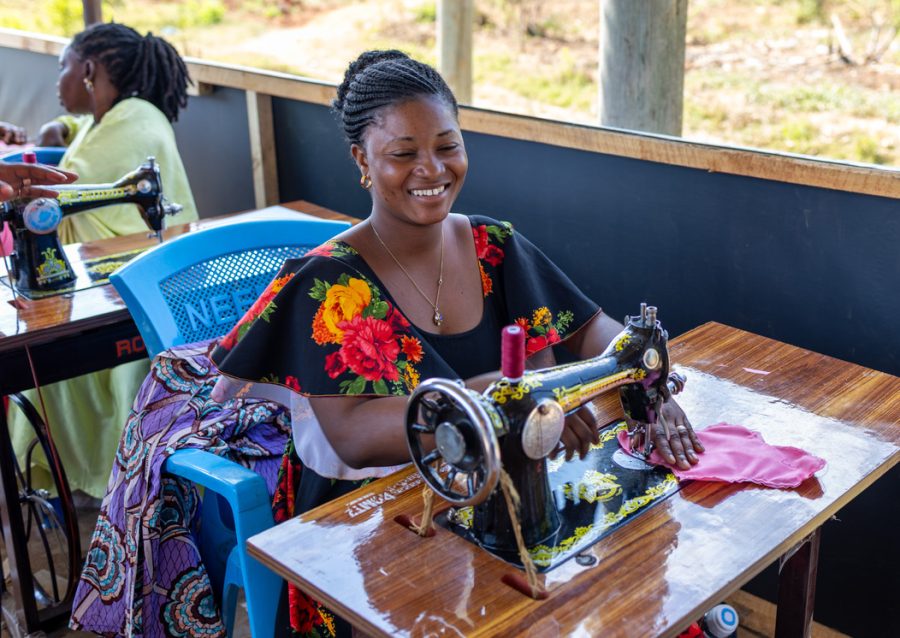
SMI makes interest-free loans, strictly for machinery and equipment, to small businesses in the “missing middle” – too large for microcredit and too small for commercial bank loans. SMI loans are never repaid in cash, but by donating in-kind products and services or providing job training to the most disadvantaged in their communities.

SMI impacts both the business and social sectors of communities in developing economies. The objectives of SMI are: 1) to enhance small business production and growth; 2) to create new employment opportunities; and 3) to foster a lasting sense of social responsibility and community charity in participating businesses. 50% of SMI loans are granted to women-owned or operated businesses.

We are inviting funding partners to help us grow small businesses, create jobs, and provide charitable goods, services, and job training to the poor in communities where SMI businesses operate. The more funding partners we bring onboard, the more businesses and communities will benefit. Contact Turn on JavaScript! for more information.

Global Understanding Women's Empowerment
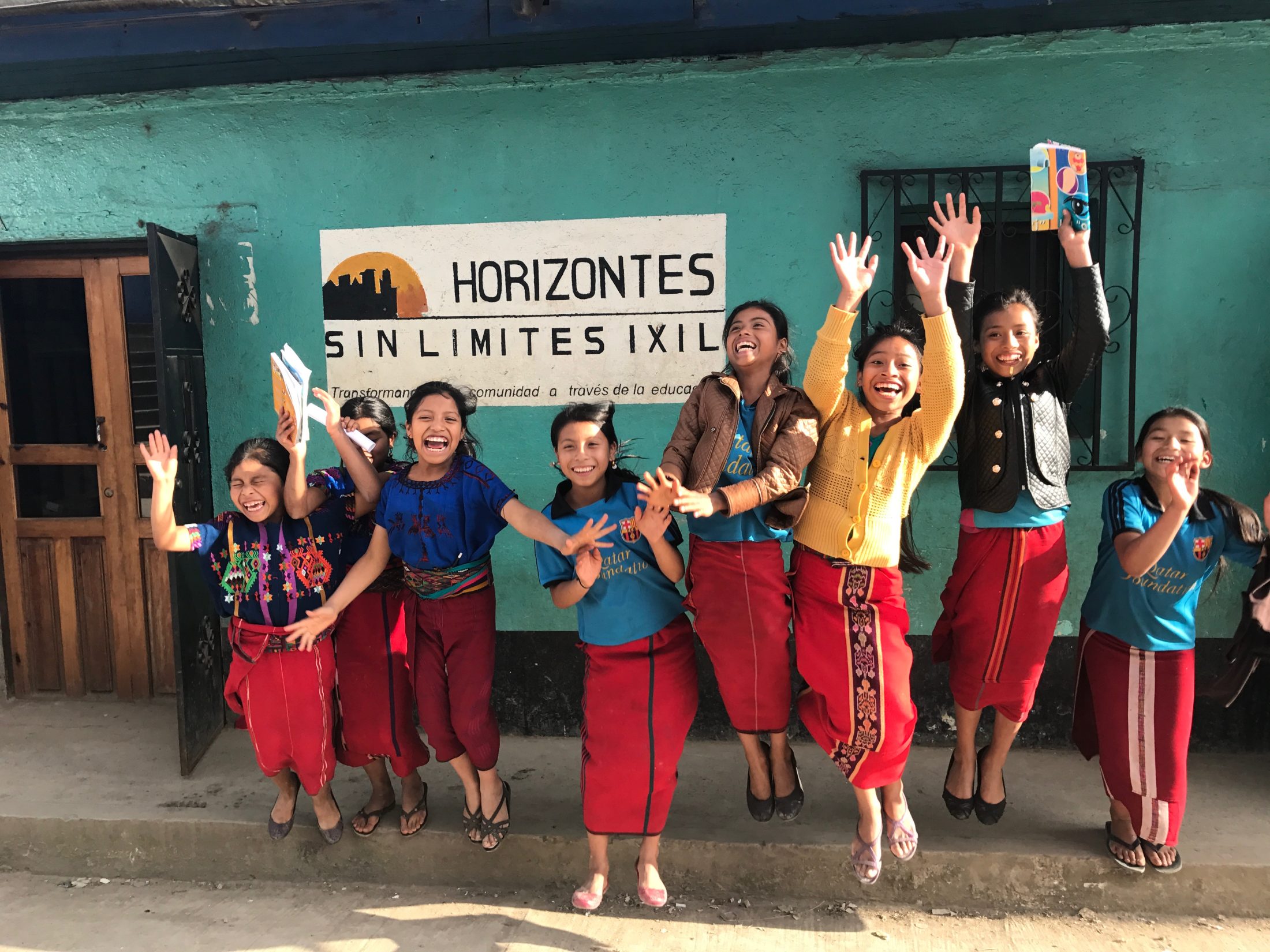
We work to advance the economic, social and cultural situation of women and girls living in the developing world by supporting projects focused on education, economic empowerment, and human rights for women. Educated girls become empowered women who employ their increased knowledge and improved financial status to provide for their families and children.

Extensive research confirms that investing in girls’ education and empowerment pays off substantially. Education investment delivers higher returns for women than for men, with women realizing increased earning power for each extra year of schooling. Women are far more likely to put money away as savings and/or invest it in their family for both nutritional and educational benefit.

Girls and women with higher levels of schooling and with their own money gained through employment or running their own businesses tend to marry later and have smaller, healthier, and better educated families. Improved health is demonstrated by decreased levels of maternal and infant/child mortality, and a significantly reduced incidence of HIV/AIDS infection. Educated women have less violence committed against them and are more likely to abandon / oppose female genital cutting for their daughters.

Empowered women demand more involvement in the political process. Societies which value women and include them in leadership roles tend to foster a social structure that is more participatory and more receptive to democracy.

To achieve our objectives, we envision projects promoting safe and effective educational and empowerment opportunities for women and girls. Priority will be given to 1) vocational and leadership training programs,and support of women entrepreneurs; and 2) high quality educational programs focused specifically on helping girls to complete primary school and secondary education. We prefer smaller projects in rural areas and urban slums, and in countries where ABSF has an existing presence.

Disabled Mobility Disabled Mobility
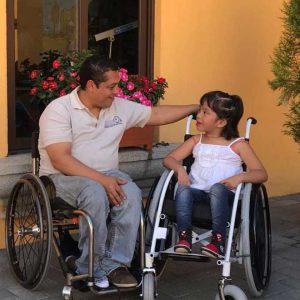
We help to address the overwhelming need for wheelchairs and other mobility solutions in the developing world by supporting a variety of innovative and replicable projects. Our preferred strategy is establishing independent in-country manufacture and repair shops building appropriate technology wheelchairs and ambulatory aids for the more demanding conditions of the developing world (see our RoughRider wheelchair project in Vietnam). Distribution of recycled and refurbished Western wheelchairs is another approach. Early-childhood prevention and intervention measures hold great promise as well.

ABSF is contributing to reducing the number of wheelchairs needed in the developing world this generation. Another benefit of our grant programs creating greater in-country capabilities for wheelchair manufacturing and repair in selected countries (currently Vietnam and Guatemala) is that they provide desperately needed employment opportunities for disenfranchised persons with disabilities.

rough riderrough rider

LATEST NEWS: Building partnerships yields the RoughRider Wheelchair Project
The Arthur B. Schultz Foundation proudly sponsors the RoughRider Wheelchair Project, to address the overwhelming need for wheelchairs in Vietnam.

ABSF has partnered with American and Norwegian wheelchair design and manufacturing companies to enable a Vietnamese wheelchair manufacturer in Ho Chi Minh City to build and distribute rugged, easily repairable, and ultra affordable wheelchairs to disabled Vietnamese.


Since the November 2007 inception of our online donation program, nearly 1,000 Vietnamese have received new wheelchairs from donations by ABSF and individual sponsors. We hope to reach this goal by the end of 2010.  

Give the gift of mobility by sponsoring a RoughRider Wheelchair in Vietnam. DONATE NOW >>